The Distinction Between Fascia and Muscle Tissue: Why Fascial Work Provides Lasting Relief
The Distinction Between Fascia and Muscle Tissue: Why Fascial Work Provides Lasting Relief While Muscle Massage Offers Only Temporary Solace
Let’s be candid about what is truly occurring within your body.
Have you ever noticed that after a superb massage you feel wonderful... only for everything to revert within a fortnight? The shoulders become leaden again, the neck stiffens, and the back aches by the end of the workday. The issue is not that the massage was subpar. The issue is that it addressed the wrong tissue.
Most modalities—massage, physical therapy, even yoga and pilates—focus primarily on the muscles. But there is an element almost no one discusses, despite the fact that it dictates how you stand, walk, and even perceive your own physical presence: the fascia.
According to recent research published in Frontiers in Physiology (2020), fascia is not merely a "wrapper," but an active tissue that transmits force, influences pain perception, and plays a pivotal role in bodily biomechanics. In this article, we will analyze the fundamental differences between fascia and muscle tissue, and why working with the fascia is the key to long-term pain eradication and structural transformation.
What is Fascia?
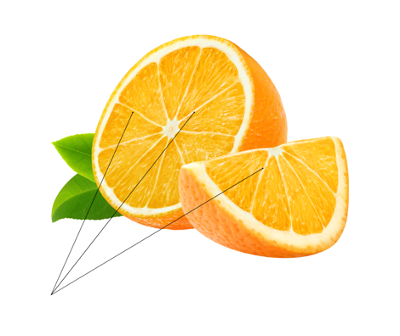
Imagine an orange. The muscles are the succulent segments. And that white, translucent film that envelops everything and holds it together? That is the fascia.
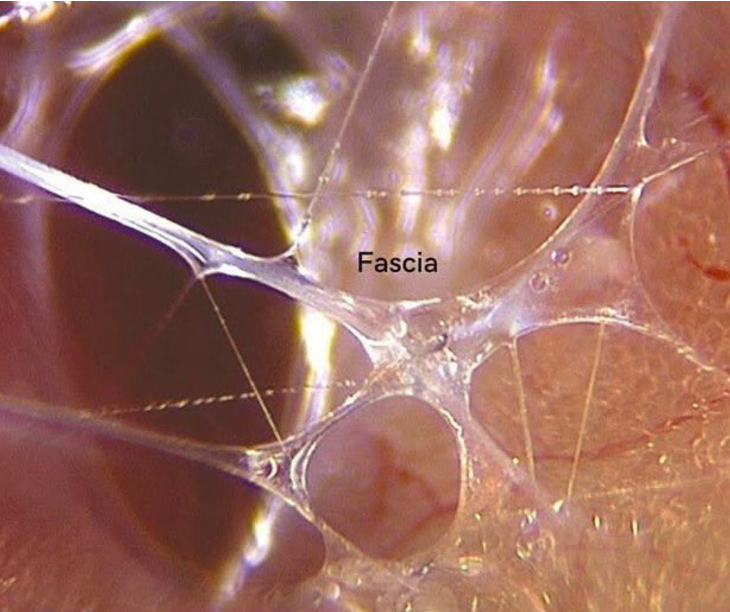
From a scientific perspective, fascia is a fibrous connective tissue that forms a three-dimensional, continuous network throughout the body. It consists primarily of collagen, elastin, and fibroblasts—cells that produce the extracellular matrix.
Types of Fascia:
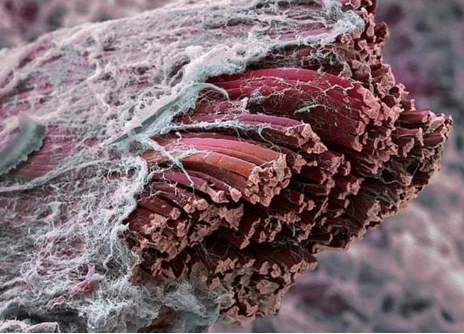
Superficial Fascia: Located directly beneath the skin.
Deep Fascia: Envelops muscles, bones, and nerves.
Visceral Fascia: Protects the internal organs.
Within your body, this "film" is a sophisticated, intelligent system that:
Maintains structural integrity.
Transmits information regarding your position in space (proprioception).
Crucially: It is most often the primary source of chronic pain.
This fascial web is elastic—capable of stretching 10–20% without tearing—and is exquisitely sensitive to inflammation and strain, which are frequent precursors to pain.
What is Muscle Tissue?
Muscle tissues are your "laborers." They contract and relax when you move. Their singular task is to generate movement. As research indicates, while muscle tissue is always encased in fascia, its internal structure is optimized for contraction, not for global connectivity.
Fascia, conversely, is the primary conduit for information regarding body positioning and a potent source of chronic pain (nociception). This is precisely why fascial intervention yields such enduring results.
Physiological Functions of Fascia vs. Muscle Tissue
The Functions of Fascia: Far Beyond a Simple Envelope
Force Transmission and Tension: Fascia distributes mechanical stress between muscles, bones, and joints via myofascial meridians.
Proprioception: It assists the brain in perceiving the body's orientation in space.
Structural Support: It ensures the tensegrity (tensional integrity) of the entire system.
Postural Influence: It directly dictates your stance and equilibrium.
Studies demonstrate that fascia contains 6 to 10 times more sensory receptors than muscle, making it the richest sensory organ in the human body.
The Functions of Muscle Tissue: The Body’s Engines
Locomotion: Contraction for movement and action.
Metabolic Support: Energy consumption to maintain muscle tone.
Force Generation: Localized, active movement of a specific joint or segment.
The Interconnection: Myofascial Chains It is vital to understand that fascia and muscles function in tandem through myofascial chains. This explains why a dysfunction in one area (e.g., the foot) may manifest as chronic discomfort in a distant zone (e.g., the cervical spine).
The True Source of Pain
This is what happens to your fascia when you:
Sit for 8 hours in front of a computer.
Sustain an injury (even an ancient one).
Lead a sedentary lifestyle or, conversely, overload the same zones repeatedly.
The Problem: Adhesion and Impaired Gliding
Fascia loses hydration and "sticks" between layers—a phenomenon known as adhesion. Imagine that instead of a lubricated film, rigid "glue" has formed—much like the stuck pages of an old book.
What are the consequences? Rigid fascia restricts the muscle, creating a passive tension that the muscle is forced to combat. Your muscles begin to work against constant resistance. They pull, but the fascia holds them captive. It is akin to running with a resistance band around your legs—constant strain, chronic fatigue, and eventually, pain. Furthermore, the pain may manifest far from the actual source of the problem because the fascia is a singular, unified network.
What is Structural Integration and How Does It Differ from Massage?
Massage addresses the muscles—it relaxes them and relieves spasms. While pleasant and beneficial, it treats the symptom, not the cause. Structural Integration addresses the cause—the fascial architecture of your body.

Structural Integration via Fascia
Rolfing, or Structural Integration, was pioneered by Dr. Ida Pauline Rolf and focuses on the manipulation of fascia to restore bodily balance. This method employs a series of manual sessions to release fascial strain, enhancing mobility and symmetry. In this modality, fascia is viewed as the "organ of internal structure," influencing not only physical alignment but emotional equilibrium as well.
How does it work? I apply deep, slow, and intentional manual pressure to:
Separate adhered fascial layers: Restoring their ability to glide effortlessly over one another.
Restore hydration: Re-establishing the viscoplastic and elastic properties of the tissue.
Emancipate the structure: Once the fascia stops pulling the skeleton into misalignment, the body naturally finds its own center of gravity.
The Result: Why It Works Long-Term
When we liberate the fascia, we aren't merely "kneading" tissue. We are altering the structure and returning the body to its natural geometry.
The result? You don't just feel relief. Your body begins to hold itself differently—effortlessly, more efficiently, and with less energy expenditure for maintaining an upright posture. It is like leveling the foundation of a house—everything else falls into place naturally. Consequently, changes following a course of Structural Integration endure for years, not days.
Advantages of Distinguishing Between Fascia and Muscles
By understanding this difference, you gain:
Superior Management of Chronic Pain: Knowing that the fascia must be addressed, not just the muscle spasms.
Optimization of Physical Therapies: Choosing a method that targets the root cause.
Injury Prevention: Maintaining a healthy fascial system to forestall future issues.
Sustained Outcomes: Achieving structural change rather than transient mitigation.
Who is Structural Integration and Fascial Work For?
Structural Integration is for those who:
Are weary of temporary fixes and the "carousel" of returning pain.
Wish to resolve the root cause of discomfort rather than merely masking symptoms.
Suffer from chronic postural patterns (slumping, pelvic tilts, asymmetry).
Are prepared for profound bodywork (it is not always a "relaxing spa treatment").
Seek a sustainable result that persists for years.
Conclusion: Fascia is the Key to Long-Term Health
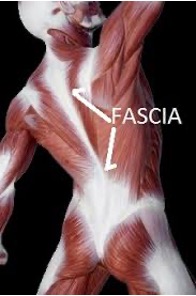
The difference between fascia and muscle tissue lies in their essence: fascia connects, supports, and senses, while muscles contract and move.
This distinction is critical to understanding why massage offers temporary relief, whereas Structural Integration provides fundamental, lasting correction of posture and movement efficiency. Drawing upon scientific evidence and clinical experience, working with the fascial system is the most effective path to preventive health and a pain-free life.
What is the Next Step?
If you recognize yourself in this description and are ready for profound work with your body, I invite you to an initial consultation. We will conduct a detailed fascial analysis, identify zones of tension, and outline a plan specifically tailored to your body. Every body is unique, and every fascial map tells its own story.
Are you ready to discover what is truly happening with your body? Schedule a consultation—let us begin with an honest conversation and a precise diagnosis.
