Structural Integration: Fascia, Posture and Gravity
Structural Integration (known as Rolfing): the method of Dr Ida Pauline Rolf
Structural Integration is a manual approach that explores the relationship between fascia, posture, movement and gravity. It does not replace medical assessment or treatment.
Structural Integration and its trademarked form Rolfing® propose a fundamentally different approach to bodywork. It is not simply another variety of massage, but an integrated system for exploring the body's biomechanics and organisation.
Structural Integration is the development of human potential — at least, this is how Dr Ida Pauline Rolf always described it. She said she was interested in human evolution, and many assumed this referred only to bones, posture or physical structure. But her focus was far broader.
Structural Integration: a manual bodywork method for conscious balance in the gravitational field.
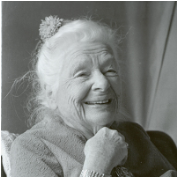
Structural Integration (SI) is a manual bodywork method developed by biochemist Dr Ida Pauline Rolf in the mid-twentieth century. The central idea is that the body is not a collection of separate parts, but a single system learning to find balance with gravity. As the body explores its natural alignment, the person may explore ways of moving that feel freer and more comfortable.
Rolfing vs Structural Integration: is there a difference?
In practice, there is no substantial difference. They are two names for the same method of bodywork.
Rolfing® is the trademarked name used by practitioners who have trained directly at the Dr Ida Pauline Rolf Institute.
Structural Integration is what the same practice is called by practitioners from other schools accredited by the International Association of Structural Integration (IASI).
All recognised schools train to the same standards, based on the principles of Dr Ida Pauline Rolf. The programme includes a minimum of 600 hours of specialist training. The essence of the method remains unchanged.
Living in the gravitational field: why it matters for the body
Every moment of our lives, we exist in the Earth's gravitational field. When the body is not optimally aligned along the vertical axis, gravity shifts from a neutral force to a source of accumulated tension.
Structural Integration does not involve fighting gravity, but rather an invitation to the body to interact with it more efficiently.
How modern life amplifies gravitational stress:
Seated work: 8 hours at a computer create a collapse in the body's anterior line
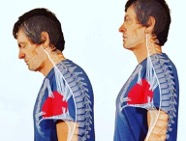
Smartphones and tablets: the constant forward tilt of the head adds load to the cervical vertebrae
Unilateral loads: carrying a bag on one shoulder, sleeping on one side — create asymmetrical patterns
Repetitive movement
Competitive sport
How it works: fascia rather than muscles
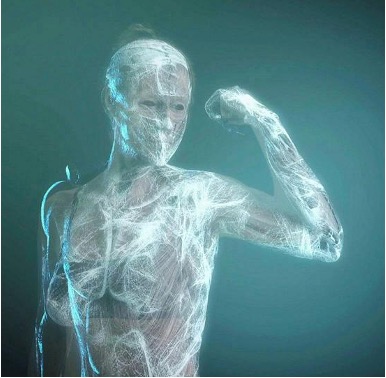
The main difference from massage is the focus on fascia, through a process of 10 sessions. Fascia is a connective tissue resembling a web that surrounds every muscle, bone and organ in the body.
Over time — through postural habits, physically intense experiences or repetitive movement patterns — the fascia can lose elasticity, develop adhesions and become dehydrated. The result may be a limitation in mobility and a sense of stiffness or discomfort.
Structural Integration and inner relationships
Structural Integration does not work on physical structure alone — it explores the relationship with oneself and with the surrounding world.
Some people describe changes in physical and emotional awareness. These are subjective experiences, not a demonstrated medical mechanism.
Series of 10 sessions: why so many?
Unlike massage, where each session is independent, Structural Integration works progressively:
Sessions 1–3: Work with the superficial layers — exploring breath, releasing surface tension
Sessions 4–7: Deeper structures — pelvis, spine, head, main body axes
Sessions 8–10: Integration of all changes, exploration of new movement patterns
Each session lasts approximately one hour and builds on the results of the previous one.
What to expect: honestly about the process
This is not a relaxing massage
During the session, one does not simply lie still — there is active participation: moving according to the practitioner's guidance, breathing in a specific way, developing awareness of sensations.
After the session, it is possible to experience:
Temporary sensations of intensity (1–2 days)
Unusual sensations from the body
Emotional responses (some people describe a sense of "release")
Results: what the available literature says
Available research explores possible changes in mobility, body awareness and comfort. Evidence remains limited and does not demonstrate an effect on specific medical conditions.
Important: results are individual and cannot be guaranteed. This is not a replacement for medical assessment or treatment.
Psychosomatic aspects: inner body and awareness
One of the deepest effects of Structural Integration relates to body awareness. Many of us move through life responding to the world through accumulated patterns — tension in the diaphragm, stiffness in the jaw, holding in the shoulders. These fascial patterns can become a filter through which we perceive reality.
Practical example: a person with recurring tension in the solar plexus area may react to stress with intense automatic responses. After working on this area through Structural Integration, some people report a greater sense of choice in how they respond.
Changing the container changes the content
In Structural Integration there is a profound metaphor: the body is a container, and emotions, thoughts and experiences are its contents. When the shape of the container changes, the contents may transform.
Some clients after the 10-session series notice changes that go beyond physical comfort — greater calm, a greater sense of presence. The method supports body awareness and adaptability without promising healing.
"This is the gospel of Rolfing: when the body gets working appropriately, the force of gravity can flow through. Then, spontaneously, the body heals itself." — Dr Ida Pauline Rolf
(Note: this reflects the philosophical vision of the method's creator. The method supports body awareness and adaptability, without promising healing in the medical sense.)

Structural Integration vs classic massage: fundamental differences
Structural Integration | Classic Massage | |
|---|---|---|
Goal | Long-term exploration of body organisation | Temporary relaxation and comfort |
Focus | Fascia, whole-body alignment | Muscles, local areas of tension |
Format | Series of 10 linked sessions | Independent individual sessions |
Intensity | Deep work, possible temporary discomfort | Usually pleasant and relaxing |
Client activity | High: movement, awareness | Passive: the client simply lies down |
Result | Explores patterns of tension and movement within the body's overall organisation | Temporarily eases the sensation of tension |
For whom is it intended?
It is intended for people who want to explore posture, movement, perceived stiffness and body awareness:
🎯 Those experiencing recurring tension that common approaches have not resolved
🎯 Those with postural imbalances or a sense of asymmetry
🎯 Those who have been through physically intense situations and wish to explore new movement patterns
🎯 Athletes or dancers seeking to explore their biomechanics
🎯 Those who feel their body is working with less fluidity than desired
🎯 Those ready for conscious work and with time for a full series of sessions
Contraindications: similar to massage — acute situations, certain medical conditions. Always consult a doctor.

Important to know before booking
Certified by an accredited school (Rolf Institute or recognised SI programmes)
Minimum 600 hours of training
Work experience and client feedback
Structural Integration is not an immediate solution. It is:
A complement to medical care, not a replacement
A process requiring active participation
An investment of time (10 sessions) and resources
A method with a developing evidence base
It can be a process for understanding one's body and movement with greater awareness. If you are ready for conscious work — find a certified practitioner and book a consultation.
📍 Sessions take place in Bolzano.
✨ Book a session
