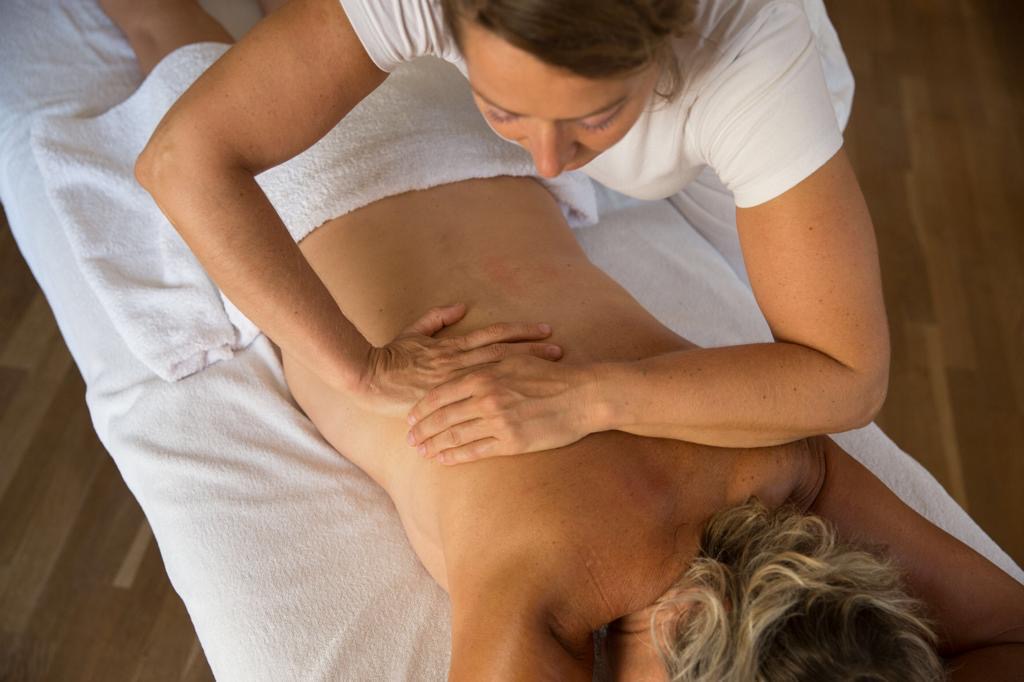
Massages
Recovery, Wellbeing and Inner Balance
Massage is a key to health, regeneration, and a return to full connection with one's body. In the hands of a professional, massage becomes a dialogue with the body: every touch is aimed at activating the body's natural processes of purification, renewal, and self-regulation.
Depending on each person's condition and goals, different techniques are used:
Lymphatic drainage massage — gentle and slow, it stimulates the lymphatic system, reduces swelling, and strengthens the body's natural defences. Particularly suited to those with a sedentary lifestyle or during a recovery phase.
Haemolymphatic massage — deeper in nature, it reactivates circulation, encourages the elimination of toxins, and supports internal cleansing.
Decontracting massage — relieves muscular contractions, dissolves bodily tension, and restores freedom of movement.
Sports massage — ideal for those who train regularly: it accelerates muscular recovery and helps prevent overload.
Sculpting massage — improves the silhouette, works on denser adipose areas, and supports tissue firmness and tone.
Anti-stress massage — slow and superficial, it calms the nervous system; suited to those experiencing periods of intense tension or prolonged mental fatigue.
Cupping massage — works on the fascia, stimulates metabolism, and reduces stagnation in the tissues.
When Is Massage Particularly Indicated
In cases of persistent fatigue, mental exhaustion, or sleep difficulties
For women during hormonal changes, especially after the age of 40
For those with a sedentary lifestyle or circulatory difficulties
Post-illness, following surgery, or rapid weight loss
In the presence of swelling, a sense of bodily heaviness, or fluid retention
For athletes or highly physically active individuals
Free Consultation and Observable Benefits
Many clients report feeling benefits after the very first session: lightness, greater calm, more restful sleep, and increased freedom of movement.
Before the session, a free consultation (10–20 minutes) is provided, during which the condition of the body is observed, relevant information is gathered, and the most suitable approach is suggested.